
In the modern digital economy, your subscriber database is arguably the most valuable asset your business owns. However, as digital brands scale their operations, navigating the highly complex world of Software as a Service (SaaS) pricing can feel like walking through a financial minefield. Independent creators, marketing agencies, and enterprise executives all eventually arrive at the exact same critical question: how do popular email marketing platforms compare in pricing and features?
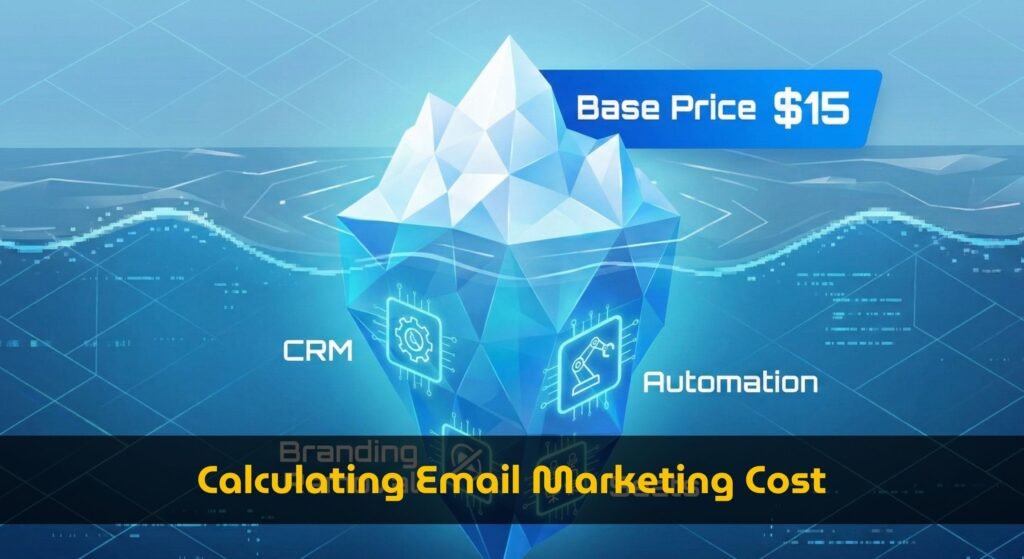
Selecting an email marketing service provider is a highly strategic financial decision that will impact your profit margins for years to come. The base subscription fees advertised on glossy, colorful landing pages often tell only half the story. While a specific software tool might look incredibly affordable at $15 per month when you only have 500 subscribers, those monthly operational costs can exponentially skyrocket to hundreds of dollars the moment you trigger specific feature gates or exceed arbitrary user seat limitations.
If you are trying to accurately forecast your marketing technology budget for 2026 and beyond, you simply cannot afford to rely on guesswork or basic pricing page charts. To truly understand the market, you must dive deeper into the billing architectures. In this comprehensive, 2,500+ word deep dive, we will meticulously dissect the industry’s leading software solutions. We will answer exactly how do popular email marketing platforms compare in pricing and features, exploring the hidden upgrade triggers, the notorious “seat tax” for growing marketing teams, and the true 3-Year Total Cost of Ownership (TCO).
Understanding the Core Market: How Do Popular Email Marketing Platforms Compare in Pricing and Features?
To fundamentally comprehend how do popular email marketing platforms compare in pricing and features, we must first look at the underlying product philosophies of the companies building these marketing tools. The SaaS market is deeply segmented based on target audiences. Some platforms are engineered as massive, all-in-one enterprise behemoths explicitly designed to replace your entire technology stack. Other platforms aggressively embrace a streamlined philosophy, intentionally stripping away bloated Customer Relationship Management (CRM) features to offer lightning-fast, highly affordable email delivery.
When analyzing how do popular email marketing platforms compare in pricing and features, you will generally encounter two distinctly different primary billing models in the current landscape:
- Subscriber-Based Pricing: This remains the undisputed industry standard (utilized heavily by Mailchimp, MailerLite, ActiveCampaign, and Kit). Under this model, you are billed based on the total number of unique contacts stored in your database, regardless of how rarely you actually send emails to them.
- Volume-Based Pricing: Pioneered by platforms like Brevo (formerly Sendinblue), this alternative model charges you exclusively based on the sheer volume of emails successfully sent per month. This allows you to store an absolutely unlimited number of contacts for free, providing incredible value for seasonal senders.
Understanding your own specific business model—including your sending frequency and your team size—is the ultimate key to unlocking the right platform. Let us systematically break down the recognized titans of the industry and see precisely how do popular email marketing platforms compare in pricing and features.
1. Mailchimp: The Comprehensive Enterprise-Grade Ecosystem
Whenever modern digital marketers ask the vital question of how do popular email marketing platforms compare in pricing and features, Mailchimp is inevitably the universal benchmark against which all other tools are measured. As an early industry pioneer, Mailchimp has aggressively evolved from a simple, quirky newsletter tool into a highly comprehensive, enterprise-grade marketing ecosystem.
Advanced Features and Complex Capabilities
Mailchimp’s available feature set is staggeringly vast. It offers an impressive library of over 300+ native digital integrations, seamlessly connecting with massive e-commerce frameworks like Shopify, WooCommerce, Stripe, and Salesforce. Mailchimp features robust generative AI tools tailored for content creation, custom-coded HTML email templates, SMS marketing add-ons, and a highly sophisticated “Customer Journey Builder” designed for intricate behavioral targeting.
For advanced B2B marketers and large retailers who absolutely require deep predictive demographic analytics and behavioral lead scoring, Mailchimp provides a powerful, all-in-one centralized data hub.
The Pricing Reality and The Infamous “Seat Trap”
However, the true complexity of adopting Mailchimp is rapidly revealed in its tiered pricing structure. Mailchimp operates strictly on four main tiers: Free, Essentials, Standard, and Premium.
- The Free Plan: This is now strictly limited to just 250 contacts and only includes basic email support for the first 30 days after account creation. After 30 days, free users receive zero direct support.
- The Standard Plan (Starts at $20/mo): This intermediate tier unlocks enhanced marketing automations and generative AI features. However, it strictly and unforgivingly limits your team collaboration to just 5 User Seats.
- The Premium Plan (Starts at $350/mo): This is the enterprise tier designed for scale, unlocking unlimited user seats, priority phone support, and multivariate testing.
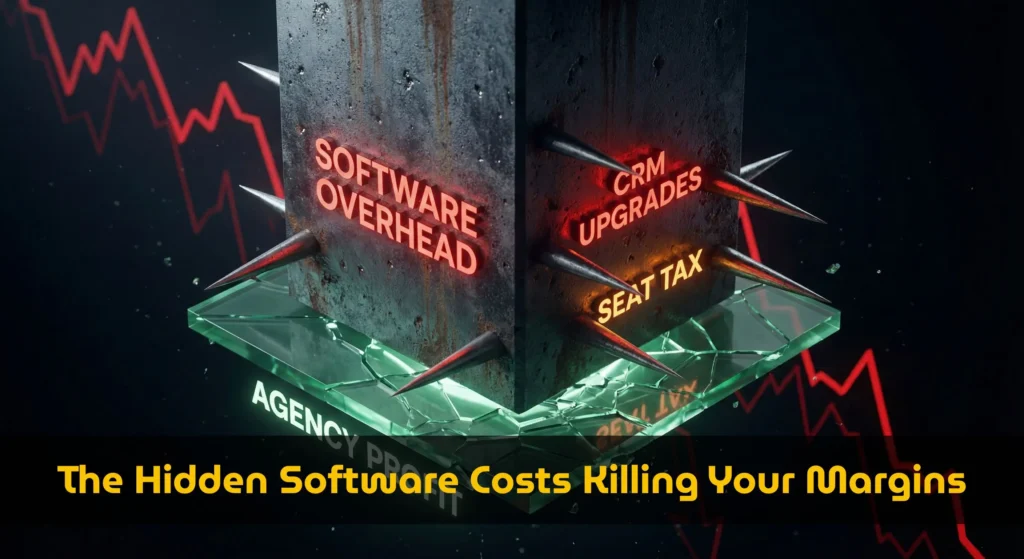
The Hidden Scaling Cost: When meticulously evaluating how do popular email marketing platforms compare in pricing and features, the aggressive “Seat Tax” is undeniably Mailchimp’s biggest hurdle for small, collaborative businesses. If your growing marketing agency hires a 6th team member who needs to access the platform to design campaigns, Mailchimp mathematically forces an immediate, mandatory upgrade to the Premium plan. Your monthly bill violently spikes from around $20/month to a staggering minimum of $350/month, regardless of how small your actual subscriber list is.
Furthermore, while Mailchimp heavily advertises an attractive 15% annual discount on their pricing page, a deep dive into their strict terms of service reveals this financial perk is exclusively available for established businesses holding 10,000+ contacts. Smaller creators are forced to pay the full, undiscounted rate.
💡 TCO Pricing Insight: Mailchimp
Mailchimp is brilliant for high-revenue e-commerce brands needing complex, multi-channel integrations. However, it heavily and disproportionately penalizes lean, growing teams requiring multiple user logins due to its aggressive tier gating and strict role-based access restrictions.
2. MailerLite: The Streamlined, Uncapped Value Champion
If Mailchimp boldly represents the heavy, all-encompassing enterprise approach, MailerLite proudly represents the agile, hyper-efficient modern alternative. When budget-conscious digital creators and independent agencies ask how do popular email marketing platforms compare in pricing and features, MailerLite consistently and reliably emerges as the ultimate answer for maximizing Return on Investment (ROI).
Features and The “Keeping it Lite” Philosophy
MailerLite operates on a highly specific, globally recognized philosophy: “Keeping it Lite.” They intentionally and strategically avoid building a bloated B2B Sales CRM pipeline, focusing their engineering resources instead on perfecting the core email marketing tools that creators actually use daily. MailerLite offers a flawless, highly intuitive AI-powered drag-and-drop editor, an easy-to-navigate visual automation builder, and a surprisingly robust native website and landing page builder.
For modern independent creators, MailerLite’s native Stripe integration is an absolute game-changer. It empowers you to effortlessly sell digital products, e-books, exclusive downloads, and even set up recurring paid newsletter subscriptions directly within the platform. This completely bypasses the frustrating need for expensive, complicated third-party e-commerce plugins.
Transparent Pricing and Uncapped Team Collaboration
MailerLite’s transparent pricing structure is where it truly outshines the legacy competition in the ongoing how do popular email marketing platforms compare in pricing and features debate.
- The Free Plan: An incredibly generous and accessible starting point allowing up to 500 active subscribers and 12,000 monthly email sends. Crucially, it includes access to the powerful automation builder, which many competitors gate behind paywalls.
- Growing Business (Starts at $10/mo): This affordable tier includes unlimited monthly emails, digital product monetization tools, unlimited landing pages, and 3 user seats.
- Advanced (Starts at $20/mo): This tier is the true industry disruptor. For an incredibly low starting price of just $20/mo, MailerLite provides Unlimited User Seats and custom user permissions.
Unlike Mailchimp, which aggressively charges a minimum of $350/mo just to unlock unlimited team members, an entire bustling marketing agency or a large, distributed team of freelance content writers can comfortably collaborate inside MailerLite’s Advanced plan without paying a single extra cent for user seats. Additionally, MailerLite equitably offers a flat 10% annual discount to absolutely everyone, regardless of their current list size.
⭐ Best Value Winner: MailerLite
When examining exactly how do popular email marketing platforms compare in pricing and features, MailerLite objectively offers the smoothest, most predictable scaling curve in the industry. By completely avoiding forced CRM upgrades and eliminating the collaborative seat tax, it fiercely protects the profit margins of bloggers, creators, and multi-client agencies.
3. ActiveCampaign: The B2B Automation Powerhouse
For sophisticated organizations running long, highly complex sales cycles, exploring the vital question of how do popular email marketing platforms compare in pricing and features often leads directly to ActiveCampaign.
Features: Deep CRM Integration and Granular Automations
ActiveCampaign refuses to classify itself as just a simple email tool; it is a full-fledged, omnichannel customer experience automation platform. Its primary technological differentiator is the deeply integrated, highly intelligent Sales CRM. ActiveCampaign empowers you to meticulously track a potential lead’s precise behavior across your entire website infrastructure, mathematically score their engagement level, and automatically move them through a highly customized, multi-stage B2B sales pipeline without human intervention.
Pricing: The Premium Cost of Power
ActiveCampaign’s pricing matrix accurately reflects its heavy enterprise capabilities, operating on Starter, Plus, Pro, and Enterprise tiers. According to verified SaaS pricing databases, a growing business managing 2,500 contacts will comfortably pay $39/mo on the introductory Starter plan.
However, many essential marketing tools—such as the integrated Sales CRM, dynamic landing pages, advanced custom reporting, and the crucial ability to remove the ActiveCampaign branding logo from the bottom of your emails—are strictly gated behind the Plus plan. For those same 2,500 contacts, upgrading to the Plus plan causes the monthly bill to instantly jump to $95/mo.
When comparing how do popular email marketing platforms compare in pricing and features, ActiveCampaign is mathematically unparalleled for dedicated B2B sales teams requiring complex funnels, but it violently forces heavy financial commitments on simple users who merely want to send standard weekly newsletters.
4. Brevo (Sendinblue): The Volume-Based Disruptor
When critically examining how do popular email marketing platforms compare in pricing and features, Brevo (formerly known to the industry as Sendinblue) stands out completely due to its highly unique, unconventional billing architecture.
Features and The Volume Pricing Model
Instead of financially punishing you for successfully growing your subscriber list, Brevo utilizes a highly attractive volume-based pricing model. Under this structure, you are charged exclusively based on the raw number of individual emails you actually send per month.
Their generous Starter plan begins at a remarkably low price point allowing for up to 5,000 emails sent per month, and most importantly, it natively includes absolutely unlimited contact storage. If you run a highly seasonal e-commerce store possessing 100,000 past customer emails, but you only send promotional blasts during the Black Friday and Christmas shopping seasons, Brevo is a financially brilliant choice. On traditional subscriber-based platforms, you would be forced to pay a massive monthly fee year-round just to store those 100,000 inactive contacts. On Brevo, your costs plummet during your off-season.
5. Kit (ConvertKit) and AWeber: The Creator vs. The Legacy Option
To fully and responsibly answer how do popular email marketing platforms compare in pricing and features, we must also look at highly specialized creator platforms and dependable legacy tools.
Kit (formerly ConvertKit): Kit is unapologetically and aggressively built for the modern creator economy. Its entire feature ecosystem revolves heavily around helping independent musicians, published authors, and successful podcasters monetize their loyal audience. Recent updates to their pricing logic show an incredibly generous “Newsletter” tier offering up to 10,000 subscribers for $0/mo. However, this free tier is highly restrictive. To access advanced visual automation, utilize third-party integrations, and remove the Kit branding, you must upgrade to their Creator or Pro tiers, which scale quite expensively as your list grows.
AWeber: Functioning as a trusted legacy platform, AWeber offers extreme simplicity and stability. It operates primarily on streamlined Lite and Plus tiers. While it may admittedly lack the flashy, highly modern interface of MailerLite or the dizzying AI depth of Mailchimp, AWeber is internationally renowned for exceptional, US-based customer support and highly predictable, straightforward pricing that rarely surprises its loyal user base.
Deep Dive: Hidden Feature Gates and the Dreaded “Seat Tax”
When enthusiastic business owners initially research how do popular email marketing platforms compare in pricing and features, they almost always miss the subtle “Feature Gates” buried deeply in the fine print of the terms of service.
The Hidden Scaling Costs of Team Collaboration
If you are a solo entrepreneur working from home, user seat limits do not matter. But if you run an expanding agency or manage a team of virtual assistants, the “Seat Tax” entirely dictates your ultimate software choice.
| Platform | Seat Limits on Standard Plans | Cost for Unlimited Team Seats |
|---|---|---|
| Mailchimp | Limited to 5 seats (Standard Plan) | Requires $350/mo Premium Plan upgrade |
| ActiveCampaign | Limited seats based on specific tiers | Requires expensive Pro/Enterprise upgrades |
| MailerLite | 3 seats on Growing Business ($10/mo) | Unlocked at Advanced Plan (Just $20/mo) |
The Cost of Removing Vendor Branding
Absolutely no professional marketing agency wants to send a critical client email with a software company’s logo prominently stamped at the bottom. The ability to remove this branding is highly desired, and SaaS companies ruthlessly monetize it.
- GetResponse: Removing the corporate logo is completely unavailable on the basic Starter plan; it forcibly requires a tier upgrade to the Marketer plan.
- ActiveCampaign: White-labeling is strictly gated behind the expensive Plus plan.
- MailerLite: Removing the logo is instantly unlocked the moment you move to their highly affordable Growing Business tier ($10/mo).
By fully understanding these intricate feature gates, you quickly and sobering realize that the incredibly low base prices prominently advertised are rarely what you actually end up paying.
The 3-Year Total Cost of Ownership (TCO) Analysis
Are you still wondering exactly how do popular email marketing platforms compare in pricing and features over the long haul? The only mathematically sound and fiscally responsible way to choose a SaaS platform is by accurately calculating its 3-Year Total Cost of Ownership (TCO).
Software scaling costs do not always increase linearly. A specific platform that is incredibly cost-effective at 2,000 subscribers might unexpectedly become a massive, budget-destroying financial drain when you cross the 15,000 subscriber threshold. Utilizing predictive technology, businesses can simulate their exact Month-over-Month (MoM) growth rate to foresee future expenses.
A Real-World Agency TCO Scenario:
Imagine a rapidly growing digital marketing agency currently managing 2,500 subscribers. They expect a conservative 5% monthly audience growth rate, and importantly, they absolutely require 6 team seats so their copywriters and designers can manage the account efficiently.
- The Mailchimp Route: Because 6 active user seats are strictly required, Mailchimp algorithms force an immediate, mandatory upgrade to the Premium plan (starting at $350/mo). Over 36 months, the Total Cost of Ownership violently surges into the tens of thousands of dollars, severely crippling the agency’s profit margins.
- The MailerLite Route: MailerLite effortlessly accommodates the exact same 6-seat requirement on its flexible Advanced Plan (starting at an incredible $20/mo). As the subscriber list slowly grows 5% each month, MailerLite’s pricing scales gradually and predictably along its transparent subscriber tiers. Over 3 years, the MailerLite TCO remains a mere fraction of the heavy enterprise alternatives.
Don’t let hidden SaaS upgrades and unexpected seat taxes eat into your hard-earned profit margins.
Calculate Your 3-Year TCO NowMatching the Specific Tool to Your Unique Business Model
The ultimate, definitive answer to how do popular email marketing platforms compare in pricing and features is that the “best” tool does not objectively exist in a vacuum; it depends entirely on your specific organizational DNA.
- For E-commerce Giants: If you critically need deep Shopify infrastructure integrations, AI-driven predictive product segments, and possess the budget for premium phone support, Mailchimp remains an absolute, undeniable powerhouse.
- For B2B Sales Teams: If your core marketing strategy relies heavily on complex algorithmic lead scoring and meticulously managing corporate deals through a visual pipeline, ActiveCampaign easily justifies its premium price tag through its incredibly robust CRM.
- For High-Volume/Low-Frequency Senders: If you possess massive contact lists but only blast emails to them a few times a year during holidays, Brevo’s unique volume-based pricing will save you thousands of dollars annually.
- For Creators, Bloggers, and Agencies: If you desperately want a platform that offers beautiful design, seamless digital product sales, and completely uncapped team collaboration without forcing you to pay for the bloated weight of a B2B CRM, MailerLite is definitively and mathematically the best overall value on the market today.
Frequently Asked Questions (FAQ)
1. How do popular email marketing platforms compare in pricing and features for absolute beginners?
For beginners operating with zero budget, MailerLite and Mailchimp both offer excellent Free plans to get started. Mailchimp severely limits you to 250 contacts, while MailerLite highly generously allows up to 500 contacts and uniquely includes essential growth features like the visual automation builder and custom landing pages.
2. Which specific platform is best if I need multiple user logins for my team?
This is an incredibly critical cost driver to watch out for. MailerLite is highly recommended for collaborative teams, as its Advanced plan remarkably offers absolutely unlimited user seats starting at just $20/month. Competitors routinely force upgrades to $100+ or $350+ enterprise plans just to comfortably accommodate larger teams.
3. Do all popular SaaS platforms offer standard annual discounts?
No, they do not. While many do offer incentives, the terms vary wildly. MailerLite equitably offers a flat 10% discount to all users who choose to pay yearly, regardless of list size. Mailchimp heavily promotes a 15% discount, but it is exclusively restricted to massive businesses maintaining 10,000 or more contacts.
4. How do I effectively avoid the dreaded “Success Penalty” in SaaS pricing?
The absolute best way to definitively avoid skyrocketing software bills as your subscriber list inevitably grows is to forecast your costs months in advance. Utilize a predictive TCO calculator to digitally simulate your list growth and identify exactly which platforms feature aggressive, steep price jumps at higher tiers before you commit your credit card.
Conclusion: Empowering Your Marketing Decisions
The modern digital marketing landscape is thoroughly filled with highly powerful, innovative tools, but absolute transparency in long-term pricing is notoriously lacking. When you critically ask the vital question, how do popular email marketing platforms compare in pricing and features, the mathematical data clearly demonstrates that what you pay is fundamentally tied to the complex features you don’t need just as much as the ones you do.
By clearly understanding the fundamental difference between subscriber-based and volume-based billing, actively recognizing the hidden dangers of the “Seat Tax,” and diligently forecasting your 3-year TCO, you can confidently select an ESP that acts as a powerful engine for limitless growth, rather than a parasitic drain on your financial resources.
Stop guessing your marketing technology budget. Use advanced calculators today, simulate your future growth, and permanently lock in the absolute perfect platform for your business’s future.